
Summer is the season of sandals, beach trips, and barefoot walks on the grass. It’s also the time when our feet are on full display. After months hidden away in socks and boots, they need a little extra care to look and feel their best. A complete summer pedicure routine goes beyond just painting your toes. It’s about creating a ritual that keeps your feet soft, smooth, and healthy all season long.
Here is a step-by-step guide to achieving the perfect summer feet, from professional treatments to daily maintenance habits.
1. The Foundation: Regular Foot Soaks and Exfoliation
The secret to beautiful summer feet is regular care, not last-minute panic. Weekly foot soaks are the foundation of any good pedicure routine. Fill a basin with comfortably warm water and add Epsom salts to soothe tired muscles and soften hard skin. Soak for 10 to 15 minutes—not too long, as over-soaking can dry out the skin. This simple habit relaxes your feet, reduces swelling, and prepares the skin for exfoliation.
After soaking, it’s time to exfoliate. Dead skin cells build up on the heels and balls of your feet, forming calluses that can become painful if left untreated. Use a pumice stone or foot file to gently work on rough areas in small, circular motions. Apply light pressure—if it hurts, you’re overdoing it. Rinse and dry thoroughly, paying special attention between the toes. Weekly exfoliation prevents the buildup of thick, dry skin and keeps your feet feeling baby-soft.
2. Trimming and Filing: The Perfect Shape
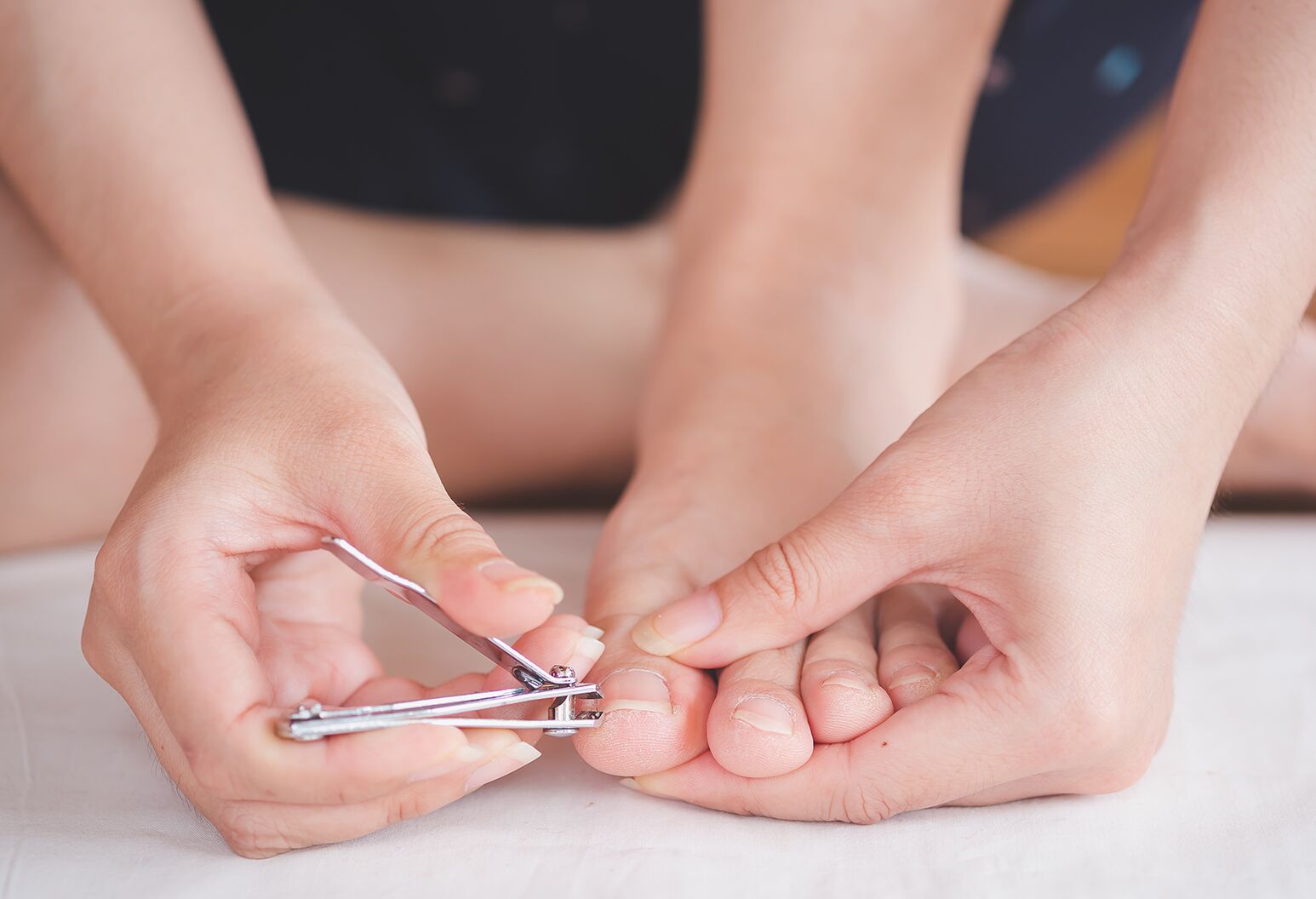
Trimming your toenails correctly is essential for both appearance and health. Always cut nails straight across to prevent painful ingrown toenails. Use sharp, sturdy toenail clippers and leave a tiny bit of white at the tip. Then smooth the edges with a fine-grit nail file, filing in one direction only to avoid splitting.
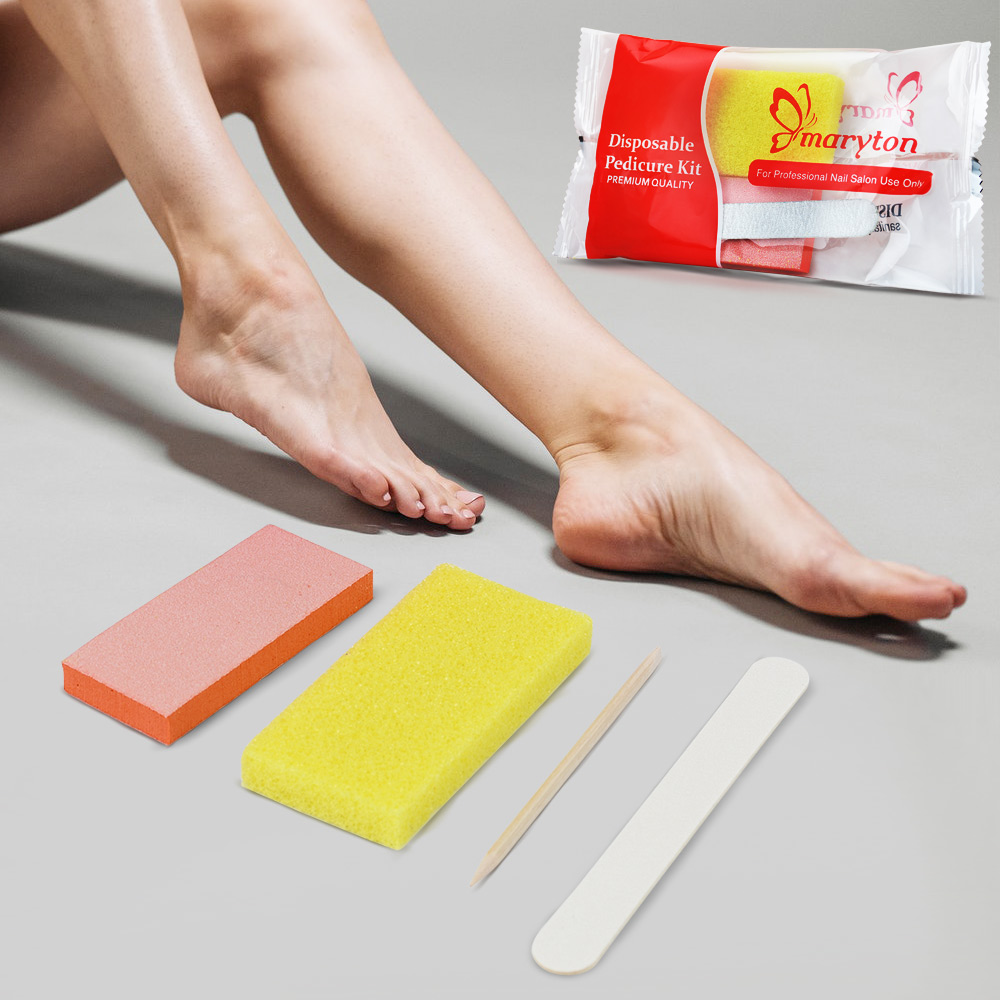
Once your nails are shaped, gently push back your cuticles with a wooden cuticle pusher. Only trim loose, dead skin with nippers—never cut living cuticle, which protects the nail from infection. This step creates a clean, neat canvas that makes any polish look more professional.
3. Polishing: The Finishing Touch
After your nails are shaped and prepped, you can add colour. Start by wiping each nail with rubbing alcohol to remove any oils. Apply a thin layer of base coat to prevent staining and help the polish adhere. Then apply two thin coats of your chosen colour, letting each dry completely between coats. For a long-lasting summer pedicure, gel polish is an excellent choice—it’s chip-resistant, stays glossy for weeks, and dries instantly under a UV/LED lamp.
Finish with a high-gloss top coat to seal the colour and add shine. This protective layer extends the life of your pedicure and keeps your toes looking fresh for weeks.
4. Moisturising: The Overlooked Essential
Feet have fewer oil glands than any other part of your body, which makes them prone to dryness—especially in summer when sun and sand can strip moisture. Apply a rich foot cream daily, focusing on heels and the balls of your feet. Look for creams containing urea, shea butter, or glycerin, which penetrate thick skin and lock in moisture. For an intensive treatment, apply a thick layer before bed and wear cotton socks overnight—you’ll wake up with noticeably softer feet.
5. Foot Massage: A Moment of Self-Care
Foot massage is more than just relaxing—it improves circulation, reduces swelling, and helps release tension that accumulates from long hours of standing or walking. Use a moisturising foot cream or massage oil and work from the heel upward using firm, circular motions. Pay extra attention to the arch and the ball of the foot, where tension often accumulates. This is a moment of self-care that leaves your feet feeling rejuvenated and ready for summer activities.
6. Professional Pedicures: An Investment in Foot Health
While home care is essential, professional pedicures offer a level of care that’s hard to replicate at home. A trained technician can address hard-to-reach calluses, trim nails with precision, and detect early signs of problems like fungal infections. Professional pedicures also include a thorough exfoliation and massage that leaves your feet feeling deeply refreshed.
For the best results, schedule a professional pedicure every 4 to 6 weeks, and maintain the results with your home routine in between. During summer months, when your feet are more exposed, you may want to book more frequently—every 3 to 4 weeks—to keep your feet looking their best in sandals and open-toed shoes.
7. Daily Habits for Summer Feet
Between pedicures, small daily habits keep your feet healthy and beautiful. Apply sunscreen to the tops of your feet whenever they are exposed—they burn just as easily as the rest of your body. Change your socks daily, especially if you’ve been active. Wear breathable shoes and rotate them to allow moisture to evaporate. And don’t forget to moisturise daily; it’s the single most important habit for preventing dry, cracked skin.
8. When to Seek Professional Help
If you notice signs of infection—redness, swelling, warmth, or discharge—or if you have a condition like diabetes or poor circulation, always consult a healthcare professional before any pedicure. A podiatrist can provide safe, effective care tailored to your needs.
The Bottom Line
Summer feet don’t happen by accident. They are the result of consistent care, regular exfoliation, proper moisturising, and the occasional professional treatment. With a simple weekly routine of soaking, exfoliating, moisturising, and polishing, you can keep your feet sandal-ready all season long. And with daily habits like sun protection, breathable shoes, and cuticle oil, you’ll step into summer with confidence, comfort, and style.

One thought on “The Ultimate Summer Pedicure Guide: From Soak to Shine”