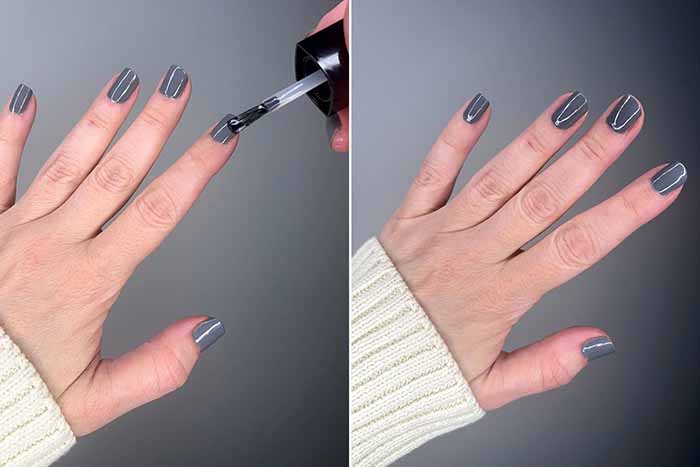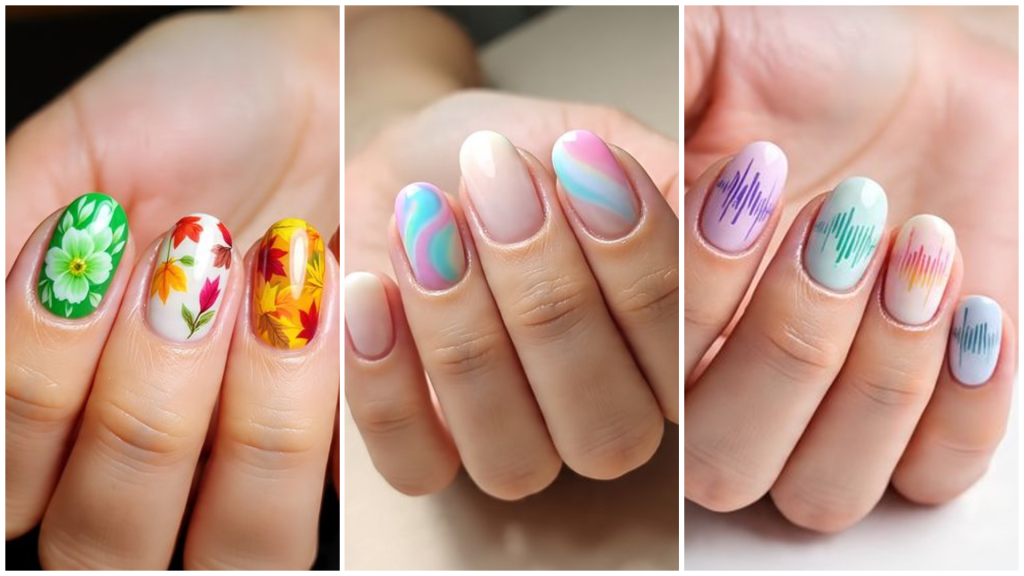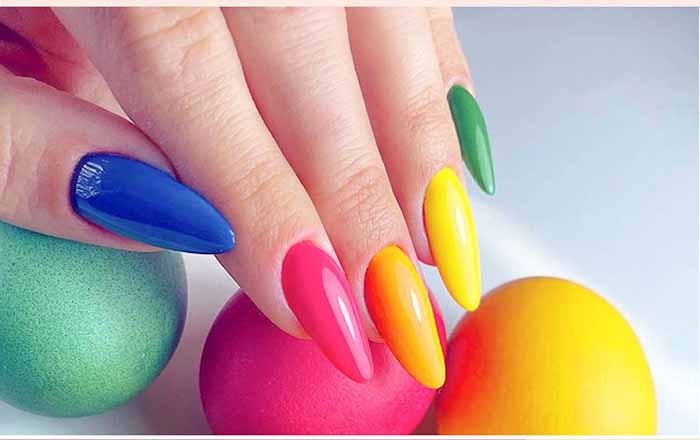
UV gel polish is basically the supercharged version of a standard manicure. It’s a type of nail lacquer made with acrylic monomers and oligomers that won’t dry on its own—it needs a UV or LED lamp to harden the liquid into a solid, glossy finish.
Unlike regular air-dry polish, which can smear for hours, a UV gel manicure cures in just 30-60 seconds under an LED light (or about two minutes under a UV lamp), leaving you with a smudge-proof, chip-free finish. Its thick, structuring formula creates a durable, protective coating that can last for two to three weeks.
Why UV Light is So Important
The secret to UV gel polish is its chemistry. The polish contains photoinitiators—molecules that react to UV or LED light. When you place your hand under the lamp, the light triggers a chemical reaction called polymerization, where the liquid resin transforms into a hard, solid layer. This curing process is what makes your manicure instantly dry and incredibly tough.
Does it Damage Your Nails?
If you’ve ever peeled off a gel manicure and found your nails feeling paper-thin and brittle, you know exactly where this question comes from. Here’s the truth: UV gel polish itself isn’t inherently damaging. The damage almost always comes from improper removal and poor technique.
When you pick or peel the polish off, you’re not just removing the color—you’re ripping off layers of your natural nail plate, leaving them dangerously thin and weak. Overzealous filing during removal can also wear down the nail plate. And if the product is under-cured, it can gradually corrode the nail, making it brittle.
Beyond the nails themselves, there are concerns about UV exposure. The curing lamps emit UVA rays, which are linked to skin aging and DNA damage. While the overall risk from occasional manicures is considered very low, repeated exposure over many years does add up. The chemicals in the polish (acrylates) can also trigger allergic reactions like contact dermatitis, especially if the uncured product touches your skin repeatedly.
UV Gel vs. Semi-Permanent: What’s the Difference?
These terms are often used interchangeably, but there are key distinctions:
UV Gel Polish (Hard Gel): Generally thicker and forms a rigid layer. While newer UV gels can be soaked off, many traditional formulas require filing for removal.
Semi-Permanent Polish (Soak-Off Gel): More fluid, closer in texture to traditional varnish. It’s designed specifically to be removed with acetone, which is gentler on your nail plate than aggressive filing. It typically lasts 2-4 weeks.
While hard gel is often chosen for its superior strength, modern semi-permanent formulas are now nearly as durable and are generally considered the safer choice for maintaining natural nail health at home.
How to Remove UV Gel Polish Safely at Home
Removing gel polish the right way requires patience—never use force. Follow this step-by-step process:
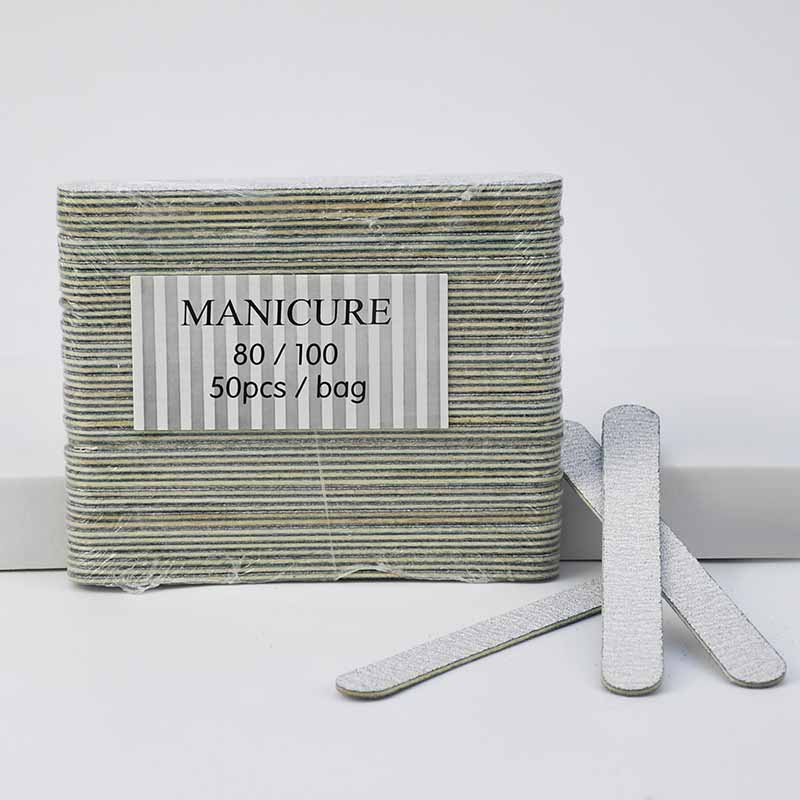
1. File the top coat: Using a 180-grit nail file, gently buff away the shiny top layer of the polish to break the seal. This allows the acetone to penetrate effectively.
2. Soak and wrap: Saturate a small cotton ball or pad with 100% pure acetone and place it directly on your nail. Wrap your fingertip tightly with a small square of aluminum foil to keep the cotton in place and trap heat, which speeds up the dissolving process.
3. Wait: Leave the wraps on for 10–15 minutes. Avoid peeking, as this releases the acetone vapor and slows down the process.
4. Gently push: Remove the foil and cotton from one finger. The polish should look soft and cracked. Use a wooden cuticle stick to gently push the product off your nail. If it resists, rewrap and wait another 5 minutes. Never scrape or force it.
5. Hydrate: Wash your hands and immediately massage cuticle oil into your nails and surrounding skin. Acetone is extremely drying, so this is a critical recovery step.
Important: You must use 100% pure acetone. Regular, diluted nail polish remover won’t be strong enough to break down the hardened gel.
How to Prevent Damage: 5 Essential Tips
To keep your nails strong and healthy between gel applications:
1. Don’t pick. This is the golden rule. Never peel off lifting gel polish. Improper removal is the leading cause of nail damage. Always use the soak-off method above.
2. Give nails a breather. Take a break from gel manicures every few months. Let your nails go bare for a week to allow them to rehydrate and recover.
3. Protect your hands from UV. Before your manicure, apply a broad-spectrum sunscreen to your hands or wear UV-protective fingerless gloves. This simple step dramatically reduces UV exposure to your skin during curing.
4. Keep them hydrated. Use cuticle oil daily, even when wearing gel polish. Hydrated nails are flexible nails, which are less likely to break or crack.
5. Choose wisely. Opt for reputable, high-quality gel brands that are “soak-off” (semi-permanent), as they are generally more flexible and gentler on natural nails. Always use a base coat to create a protective barrier between the gel and your nail plate.
When applied and removed correctly, UV gel polish can be a fantastic way to enjoy long-lasting, beautiful nails. However, it’s a commitment, and proper removal is essential to maintaining the health of your natural nails.
Do you have any specific problems with your gel manicures? Share your experience in the comments—I’d love to help!
Read also: The Importance of Home Pedicure: Why Your Feet Deserve Regular Care